
Blog Manager
Universal Article/Blog/News module


Understanding Plastic Recycling Numbers
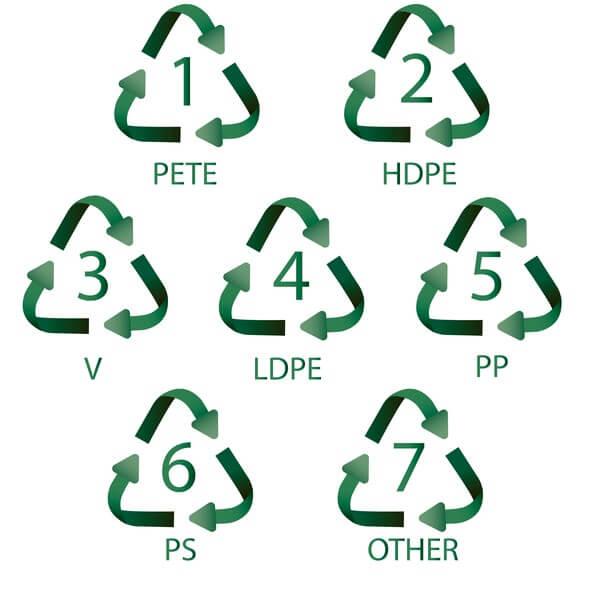
Understanding Plastic Recycling Numbers (#1–#7)
Have you ever looked at the bottom of a plastic bottle or container and noticed a small triangle with a number inside? Those numbers are called plastic recycling codes. They help tell people what type of plastic the item is made from.
Even though the numbers are called “recycling” numbers, they are really used to identify different kinds of plastic. Each type has different strengths, uses, and safety levels.
Let’s break down what each number means in a simple way.
What Are Plastic Recycling Codes?
Plastic recycling codes range from #1 to #7. They were created to help recycling centers sort plastics correctly.
Each number stands for a different type of plastic material.


#1 PET or PETE
Polyethylene Terephthalate
This is one of the most common plastics in the world.
What Is It Used For?
- Water bottles
- Soda bottles
- Peanut butter jars
- Salad dressing bottles
What Makes It Special?
PET plastic is:
- Clear
- Lightweight
- Strong enough for drinks and food
Is It Safe?
PET is usually safe for single use. However, it is not the best plastic for reheating or long-term reuse because heat can wear it down over time.
Fun Fact
Most bottled water containers are made from PET plastic.

#2 HDPE
High-Density Polyethylene
HDPE is a thicker and stronger plastic.
What Is It Used For?
- Milk jugs
- Shampoo bottles
- Laundry detergent containers
- Juice bottles
What Makes It Special?
HDPE plastic is:
- Very durable
- Resistant to chemicals
- Less likely to crack
Is It Safe?
Many people consider HDPE one of the safer plastics for reuse.
Fun Fact
Milk jugs are often made from HDPE because the plastic is strong but lightweight.


#3 PVC
Polyvinyl Chloride
PVC is a very versatile plastic. It can be hard or flexible depending on how it is made.
What Is It Used For?
- Water pipes
- Vinyl flooring
- Shower curtains
- Some toys
What Makes It Special?
PVC is:
- Strong
- Long-lasting
- Weather resistant
Is It Safe?
PVC can contain chemicals and additives that make recycling harder. It is usually not recommended for heating food unless specially designed for food use.
Fun Fact
Many plumbing pipes in homes are made from PVC.


#4 LDPE
Low-Density Polyethylene
LDPE is softer and more flexible than HDPE.
What Is It Used For?
- Grocery bags
- Bread bags
- Plastic wrap
- Squeeze bottles
What Makes It Special?
LDPE is:
- Flexible
- Soft
- Good at keeping out moisture
Is It Safe?
LDPE is generally considered a safer plastic, but many recycling centers do not accept plastic bags in regular recycling bins.
Fun Fact
Many grocery stores have special bins just for recycling plastic bags.


#5 PP
Polypropylene
PP is a popular plastic because it handles heat well.
What Is It Used For?
- Yogurt containers
- Bottle caps
- Food storage containers
- Straws
What Makes It Special?
PP is:
- Tough
- Heat resistant
- Good for repeated use
Is It Safe?
Many microwave-safe containers are made from PP plastic.
Fun Fact
PP plastic can bend many times without breaking.


7
#6 PS
Polystyrene
PS is commonly known as Styrofoam when it is made into foam products.
What Is It Used For?
- Foam cups
- Takeout containers
- Disposable plates
- Packing foam
What Makes It Special?
PS is:
- Lightweight
- Cheap to make
- Good for insulation
Is It Safe?
Many people try to avoid using PS for hot foods because it can break down under heat.
Fun Fact
Styrofoam is actually a type of polystyrene foam.


4
#7 Other
The #7 category is for plastics that do not fit into the other groups.
What Is It Used For?
- Reusable water bottles
- Safety glasses
- Some food containers
- Specialty plastics
What Makes It Special?
This category includes many different plastics, such as:
- Acrylic
- Nylon
- Polycarbonate
- Bioplastics
Is It Safe?
It depends on the exact material used. Some older #7 plastics contained BPA, but many newer products are now labeled BPA-free.
Fun Fact
“Other” plastics can behave very differently from each other.


Which Plastics Are Commonly Considered Safer?
Many people consider these plastics safer for food and drink use:
- #2 HDPE
- #4 LDPE
- #5 PP
Plastics often used with more caution:
- #3 PVC
- #6 PS
- Some #7 plastics
Remember: the recycling number only tells you the type of plastic. It does not automatically mean something is safe for microwaving or reuse.
Tips for Using Plastic Safely
Here are some simple ways to use plastics more safely:
Avoid Heating Plastic Unless It Says Microwave-Safe
Heat can weaken some plastics and cause chemicals to leak into food.
Replace Old or Cracked Containers
Damaged plastic can wear down more easily.
Wash Reusable Plastics Carefully
Use warm water and mild soap.
Reduce Single-Use Plastics
Reusable bottles and containers can help reduce waste.
Final Thoughts
Plastic is a big part of everyday life. From water bottles to food containers, different plastics are designed for different jobs.
Learning the recycling numbers can help you:
- Recycle correctly
- Choose better containers
- Understand what products are made from
The next time you see a small number inside a triangle on a plastic item, you’ll know exactly what it means!